
Pillar 11 : Mistakes, Red Flags & Investor Judgment
Section 1 — Why Most Founders Misunderstand What Investors Really Evaluate (And Why Content Signals Matter More Than You Think)
If you ask most founders what investors evaluate, you’ll hear a predictable list:
Market size
Traction
Team
Financials
Product
All true.
All incomplete.
What investors actually evaluate—especially at the first touchpoint—is signal quality.
And signal quality is not about what you say.
It’s about what your presence, thinking, and content imply before a single conversation happens.
This is where most founders lose the game months before they even realize they’re playing it.
The silent filter investors apply before the deck
Here’s a reality most founders don’t want to hear:
By the time an investor reads your pitch deck, their subconscious model of you is already 60–70% formed.
That model is built from:
How you frame problems publicly
How you explain concepts (simple vs hand-wavy)
Whether your thinking compounds or collapses under scrutiny
Whether you sound like someone building a company—or seeking permission
Your website.
Your long-form content.
Your thought structure.
All of it quietly answers one core question:
“Is this someone who understands the game—or someone hoping to be saved by it?”
This is why Pillar content matters far beyond traffic.
It’s pre-screening psychology.
Investors don’t assess ideas first — they assess judgment
A common mistake founders make is assuming investors primarily assess ideas, products, or decks.
In reality, investors are trained (consciously or not) to assess judgment:
How decisions are framed
What trade-offs are acknowledged
What risks are surfaced versus hidden
What isn’t said
Judgment shows up in content long before it shows up in a meeting.
A founder who can clearly explain:
why a market behaves the way it does
where most players misunderstand demand
how capital actually flows in that ecosystem
signals something powerful:
“This person sees second-order effects.”
That is rare.
And investors are paid to hunt rarity.
Why most startup content fails the investor test
Most startup content fails for one of three reasons:
1. It’s written to “educate beginners,” not to signal mastery
Surface-level explainers flood the internet. Investors skim past them instantly.
When your content reads like:
“Here’s what a pitch deck is”
“Why startups need funding”
“How VCs think (basic version)”
You’re invisibly saying:
“I am still learning the map.”
That’s fine for learning.
Not fine for signaling leadership.
2. It avoids sharp opinions to stay “safe”
Founders often try to sound neutral to avoid being wrong.
Investors do the opposite.
They look for defensible conviction:
Opinions grounded in experience
Clarity about what won’t work
Willingness to name uncomfortable truths
Content that tries to please everyone signals insecurity.
3. It focuses on tactics instead of underlying models
“Tactics” can be copied.
Mental models cannot.
When founders obsess over:
Slide order
Templates
Cosmetic polish
without explaining why those things work, they’re signaling that they operate at the surface layer of understanding.
Investors look for founders who reason from structure, not imitation.
The real purpose of Pillar 11
This pillar is not about:
Teaching basics
Chasing traffic
Explaining obvious things
Pillar 11 exists to do one thing:
Signal founder-grade thinking at investor-grade depth.
If someone reads only this pillar, they should walk away thinking:
“This person understands how capital interprets information.”
“They know what investors are optimizing for.”
“They’re building leverage, not just assets.”
That’s the bar.
Founders who win don’t convince — they make doubt disappear
Here’s a subtle but critical distinction:
Weak founders try to convince.
Strong founders remove reasons to doubt.
This difference shows up in content immediately.
Convincing language sounds like:
“We believe…”
“We think this could…”
“Our vision is to…”
Confidence-through-clarity language sounds like:
“This fails because…”
“This only works when…”
“Here’s the structural reason X happens…”
Investors feel safer not because you’re optimistic—but because your thinking is bounded and precise.
Why content is becoming part of the investment due diligence funnel
Over the last few years, something important has shifted:
Founders now publish before they fundraise.
Investors research before they respond.
This means:
Your content becomes a proxy pitch
Your thinking becomes a standing meeting
Your clarity becomes asynchronous trust
When done right, content quietly answers:
Can this founder reason independently?
Do they understand capital constraints?
Will they misuse money—or compound it?
This is especially important for premium products and high-ticket offers.
High intent audiences behave like investors:
They observe first.
They test credibility silently.
They buy after they trust.
Where most founders accidentally sabotage themselves
Many founders unintentionally send the wrong signal by:
Overexplaining basics (signals insecurity)
Name-dropping buzzwords without depth
Hiding uncertainty instead of framing it
Presenting certainty without reasoning
Ironically, trying too hard to look smart often makes people look unsafe.
Real authority feels calm, bounded, and specific.
That’s what Pillar 11 is optimized for.
What you should internalize before reading the rest of this pillar
As you go through Pillar 11, keep this mental frame:
Investors are not looking for perfection
They are looking for sound decision-makers
Decision-makers reveal themselves through how they think aloud
This pillar is written not to teach you what to say…
…but to help you understand:
What investors hear between the lines.
Once you understand that, everything about decks, strategy, positioning, and fundraising starts to snap into place.
Founders who earn investor trust consistently aren’t improvising judgment — they operate from clear decision frameworks. The Funding Blueprint System breaks down how investor-grade thinking is structured across decks, messaging, and financial logic, without relying on expensive consultants or guesswork.


Section 2 -- How Investors Read Between the Slides (And Why Your Deck Is Never Judged in Isolation)
One hard truth founders rarely hear early enough:
Your pitch deck is never evaluated on its own.
It is evaluated in context—context created by everything investors already believe about you before the deck even appears on their screen.
This is why two founders can present nearly identical decks and walk away with wildly different outcomes.
The difference isn’t formatting.
It isn’t storytelling tricks.
It isn’t even traction, in many early cases.
It’s interpretive bias.
The invisible narrative investors build before page one
When an investor opens a deck, they are not starting neutral.
They already have an internal narrative forming, based on:
How you approach problems publicly
How you communicate complexity
Whether your thinking has texture or feels flattened
Whether your explanations anticipate objections—or ignore them
That narrative becomes the lens through which every slide is judged.
The same slide can be read as:
“Promising but early” or
“Naïve and underdeveloped”
…depending entirely on that prior impression.
This is why founders who focus only on deck mechanics often feel confused by rejections:
“The feedback didn’t match the deck.”
That’s because the feedback wasn’t about the deck.
Investors don’t ask “Is this correct?” — they ask “Is this coming from good judgment?”
At senior levels, investors stop nitpicking details and start pattern-matching judgment.
They ask:
Does this founder know why this metric matters?
Are risks acknowledged or magically absent?
Are assumptions explicit—or smuggled in?
Does this founder reason causally, or narratively?
A perfectly “correct” slide built on weak reasoning triggers discomfort.
An imperfect slide built on strong reasoning invites engagement.
This is counterintuitive to most first-time founders.
They optimize for accuracy instead of credibility.
Slides don’t persuade — they reveal how you think
One of the biggest misunderstandings in pitching is thinking slides are persuasive tools.
They aren’t.
Slides are diagnostic tools.
Investors use them to infer:
How you structure decisions
What trade-offs you notice
What you believe is important vs cosmetic
Where your understanding ends
Every inclusion and omission communicates something.
For example:
Overloaded slides often signal lack of prioritization
Over-simplified slides can signal shallow understanding
Over-confidence without constraints signals risk blindness
None of this requires explicit criticism.
The investor’s brain flags it automatically.
Why strong thinking makes average decks feel “investable”
You’ve probably heard stories like:
“The deck wasn’t great, but we loved the founder.”
This isn’t charity.
It’s pattern recognition.
Strong founders:
Explain limits without being defensive
Frame uncertainty with structure
Understand what not to promise
Show awareness of second-order consequences
That signals responsible capital handling.
From an investor’s point of view:
“I can help improve slides. I can’t fix judgment.”
So they lean into founders whose thinking already feels calibrated—even if the presentation isn’t.
The trap of performing intelligence instead of demonstrating it
Many founders unconsciously shift into “performance mode” when pitching:
Overusing buzzwords
Compressing explanations
Hiding gaps instead of framing learning curves
Trying to sound impressive rather than precise
Ironically, this does the opposite.
Investors don’t trust intelligence that needs to advertise itself.
They trust reasoning that:
Moves calmly
Acknowledges constraints
Makes room for alternate outcomes
Shows comfort with complexity
You don’t earn points for sounding smart.
You earn trust by sounding grounded.
Why context-building content changes how decks are read
This is where long-form content—like this pillar—quietly shifts outcomes.
When investors have seen your thinking beforehand:
Slides are read more generously
Assumptions are given the benefit of the doubt
Gaps feel like iterations, not weaknesses
Questions become collaborative, not interrogative
Your content pre-loads credibility.
Instead of asking:
“Does this founder know what they’re doing?”
They ask:
“How far can this go if supported correctly?”
That mental shift changes the entire conversation.
The founder mindset that investors subconsciously reward
The founders who get leaned into share a quiet internal posture:
They assume scrutiny, not validation
They expect friction, not applause
They explain trade-offs, not fantasies
They show restraint where others show hype
This mindset leaks into decks, meetings, and content without trying.
And once investors sense it, they relax.
Relaxed investors ask better questions.
Better questions lead to better outcomes.
If there’s one thing to internalize here
Stop thinking of your deck as a standalone artifact.
Start thinking of it as evidence within a larger body of reasoning.
Everything you publish, explain, and clarify publicly becomes supporting context.
When that context is strong enough, the deck doesn’t have to scream.
It just has to be coherent with who you already are.
That’s the level investors actually operate on.
Because investors never evaluate slides in isolation, understanding how decks are interpreted psychologically matters more than formatting. The VC Pitch Deck Guide explains how structure, sequencing, and emphasis influence investor perception before questions are even asked.


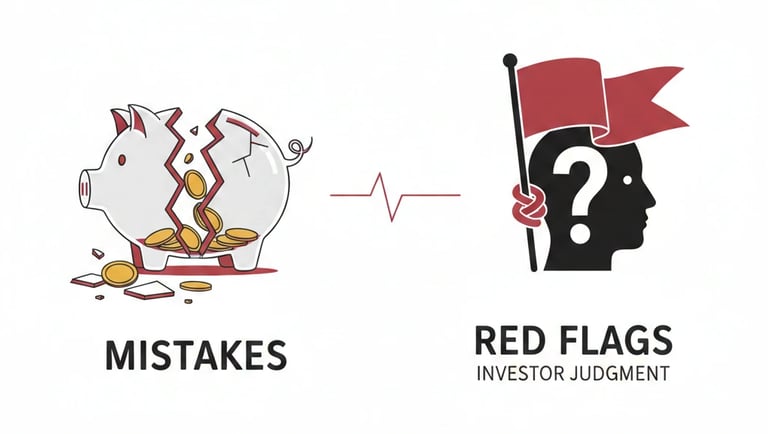
Section 3 -- The Difference Between Mistakes and Red Flags (And Why Investors React So Differently to Each)
One of the most damaging misunderstandings founders have is assuming that all errors are treated equally.
They aren’t.
From an investor’s perspective, there is a sharp line between:
a mistake
and a red flag
Founders often lump both together as “things we need to fix.”
Investors do the opposite.
They forgive mistakes.
They avoid red flags.
Understanding this distinction is critical, because red flags don’t always look dramatic—and they rarely get labeled as such in feedback.
Mistakes are surface-level. Red flags are structural.
A mistake is something that can be corrected without changing the underlying decision-maker.
Examples of mistakes:
A metric presented unclearly
A slide that jumps too fast
An assumption that needs sharper validation
Messaging that isn’t tuned to the audience
These signal immaturity, not danger.
Red flags signal future pain.
They suggest that even with guidance, the founder may continue making poor decisions under pressure.
That’s what investors are protecting against.
How investors internally classify what they see
During or after a pitch, investors are quietly sorting signals into buckets.
They don’t say this out loud, but the internal logic often looks like this:
“Didn’t explain that well” → coachable
“Overstated confidence” → maybe nervous
“Avoided this question entirely” → watch closely
“Doesn’t seem to understand why this matters” → concerning
“Defensive when challenged” → red flag
The classification happens fast—and often unconsciously.
That’s why founders can walk out feeling things went “okay,” only to hear silence later.
The meeting didn’t fail on content.
It failed on signal interpretation.
Why red flags rarely feel obvious in the moment
Red flags are rarely blatant.
They show up as patterns, not moments.
For example:
Repeatedly deflecting responsibility
Consistently framing outcomes as external
Explaining complexity with confidence but no structure
Treating disagreement as misunderstanding
Any one of these can be brushed off.
Together, they form a picture investors don’t want to commit to.
The danger isn’t that the founder is wrong today.
It’s that they may be wrong tomorrow, with more capital and fewer guardrails.
The specific red flags investors are trained to notice early
Over time, experienced investors develop a short internal list of “early warning signs.”
Some of the most common:
Narrative flexibility under pressure
If the story shifts noticeably when questioned, investors assume weak internal conviction.Certainty without constraint
Strong founders speak in probabilities. Red flags speak in absolutes.Over-reliance on storytelling to cover thin logic
When the story is rich but causal reasoning is shallow, trust erodes.Selective blindness to downside
Ignoring or minimizing obvious risks signals poor capital stewardship.Defensiveness masked as passion
Emotional reactivity suggests future governance issues.
None of these are about intelligence.
They are about operating posture.
Why “we’ll fix it later” doesn’t reassure investors
Founders often respond to critique with:
“Yes, we’ll improve that later.”
This can work for mistakes.
It fails entirely for red flags.
Why?
Because red flags aren’t about the artifact.
They’re about the operator.
Investors aren’t worried you’ll fix a slide.
They’re worried you won’t notice the next problem soon enough.
That’s a trust issue, not a tactical one.
Founders who avoid red flags don’t try to appear flawless
Here’s the paradox:
The founders who trigger the fewest red flags are rarely the most polished.
They are usually:
transparent about uncertainty
specific about trade-offs
calm when challenged
comfortable saying “we haven’t solved that yet, and here’s how we’re thinking about it”
That posture reassures investors far more than perfection.
It suggests awareness—which is the prerequisite for good judgment.
Why red flags matter more than upside early on
At early stages, upside is imagined.
Downside is experienced.
Investors ask themselves:
“What could quietly go wrong here—and how would this founder respond?”
Red flags answer that question negatively.
This is why:
Big markets don’t save red flags
Smart decks don’t erase them
Charisma doesn’t outweigh them
Once a red flag is perceived, the default outcome becomes “wait and see” or “no.”
The real mental shift founders need
Instead of asking:
“Did I make any mistakes?”
The better question is:
“Did I make investors uneasy in ways I didn’t notice?”
That’s a harder question.
But it’s the right one.
Most failures in fundraising aren’t caused by obvious errors.
They’re caused by subtle signals founders never realized they were sending.
This pillar exists to help you see those signals before investors do.


Section 4 — Overconfidence vs. Conviction: Where Founders Accidentally Lose Trust
Many founders believe confidence is the currency of fundraising.
In reality, mis-calibrated confidence is one of the fastest ways to lose investor trust.
This section matters because overconfidence doesn’t announce itself loudly. It often looks like enthusiasm, clarity, or “strong belief.” But to trained investors, overconfidence and conviction are not just different — they point to very different future outcomes.
Understanding that distinction is essential if you want investors to stay leaned in rather than quietly pulling back.
Why investors are allergic to unmanaged certainty
Investors operate in probabilistic environments. They make decisions knowing:
markets shift unexpectedly
strategies that worked before can break
consensus assumptions are often wrong
timing matters as much as execution
So when a founder communicates in absolutes — “this will happen,” “we can’t lose,” “customers will always” — it immediately creates friction.
Not because investors doubt ambition.
But because certainty without constraints signals blindness to variance.
Investors don’t fund certainty.
They fund judgment under uncertainty.
Conviction feels grounded. Overconfidence feels fragile.
The difference is subtle but consistent.
Conviction sounds like:
“Based on what we’ve seen so far, this is the direction with the highest expected value.”
“Here’s where this breaks — and how we’d respond.”
“This isn’t guaranteed, but the downside is bounded.”
Overconfidence sounds like:
“There’s no real competition.”
“We haven’t seen pushback so far.”
“This is basically a sure thing.”
Conviction invites dialogue.
Overconfidence shuts it down.
Investors feel it instinctively.
Why overconfidence signals future governance problems
Veteran investors don’t just imagine success — they imagine stress.
They ask themselves:
What happens when growth slows?
What happens when a key hire fails?
What happens when the board disagrees?
What happens when capital becomes scarce?
Overconfident founders tend to:
personalize setbacks
resist corrective feedback
delay acknowledging problems
defend narratives instead of updating them
That makes boards tense and relationships brittle.
Conviction, by contrast, reassures investors that course correction will happen early, not late.
The hidden danger of “positive founder energy”
Some founders are coached to “exude confidence at all costs.”
This advice is well-meaning — and often harmful.
Relentless positivity can:
flatten nuance
eliminate risk discussion
discourage honest questioning
make investors feel managed instead of respected
Investors prefer clear-eyed realism to motivational energy.
Optimism is welcomed.
Denial is not.
Why investors probe harder when confidence feels brittle
Founders sometimes misinterpret investor behavior.
They think:
“Investors are pushing us because they like us.”
Sometimes that’s true.
But often, increased probing means:
“I don’t trust how this founder arrived at this belief.”
When confidence is unexamined, investors apply stress tests:
hypothetical failures
edge-case scenarios
alternate explanations
Not to embarrass founders.
But to see whether confidence survives friction.
If it collapses under questioning, it wasn’t conviction — it was posture.
How conviction is built (and why it can’t be faked)
Conviction emerges from:
repeated exposure to real data
grappling honestly with contradictions
integrating feedback without losing direction
understanding why alternatives fail
This shows up naturally in how founders speak.
They don’t rush to defend.
They don’t oversell certainty.
They don’t conflate belief with proof.
Investors trust that because it feels earned.
The language patterns investors subconsciously track
Investors listen closely to how founders talk about belief.
Red-flag phrasing includes:
“Obviously…”
“Everyone agrees…”
“There’s no reason this wouldn’t…”
Trust-building phrasing includes:
“What we don’t know yet is…”
“The risk here is…”
“If this assumption breaks, our response would be…”
These aren’t magic words.
They signal mental discipline.
Why conviction scales — and overconfidence breaks
As companies grow:
uncertainty increases
decision latency grows
feedback loops lengthen
Overconfident founders often:
hold onto early assumptions too long
resist updating beliefs
misinterpret warning signals
Convicted founders treat beliefs as working hypotheses.
They hold them strongly — but revise them quickly.
That adaptiveness is what investors truly fund.
The reframe founders need to internalize
You don’t need to sound certain.
You need to sound prepared.
Prepared to:
explain your reasoning
acknowledge limits
defend choices without rigidity
update beliefs without ego
That posture produces confidence without fragility.
And that’s what keeps investors engaged long after the meeting ends.
Why this matters in Pillar 11
This section connects directly to red flags.
Overconfidence is rarely a deal-breaker once.
But it often becomes a pattern.
And patterns — not moments — are what investors optimize against.
If you take nothing else from this section, take this:
Investors don’t need you to be right.
They need you to be calibratable.
That’s conviction.
The line between conviction and overconfidence becomes clearer when viewed through investor psychology. Understanding how investors interpret risk, confidence, and uncertainty helps founders communicate with better calibration under scrutiny.
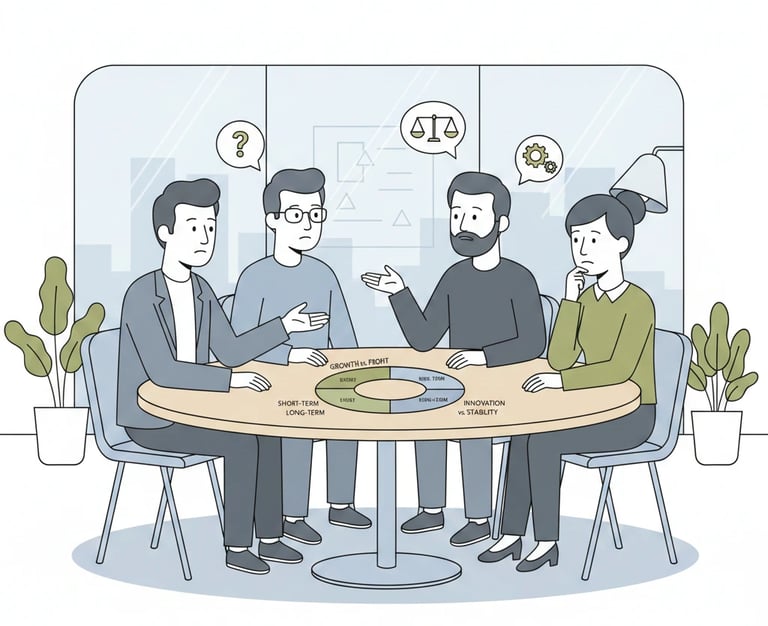

Section 5 — When “Vision” Becomes a Liability: How Vague Thinking Triggers Investor Resistance
Founders are taught to lead with vision.
Investors are taught to be suspicious of it.
This creates one of the most common — and least understood — sources of resistance in fundraising: vision without structure.
To founders, vision feels like ambition, creativity, and leadership.
To investors, poorly articulated vision often feels like avoidance.
Understanding this tension is crucial, because many founders unknowingly convert what they believe is their strongest asset into a red flag.
Why investors ask “but how?” sooner than founders expect
Investors hear visions constantly.
Big markets.
Massive transformation.
Category-defining products.
None of that is new.
What is rare is a founder who can connect vision to:
concrete mechanisms
execution sequences
resource constraints
decision logic
When that connection is weak, investors start interrupting earlier than founders expect.
This is often misread as impatience or lack of imagination.
In reality, it’s discomfort.
Vision without mechanism forces investors to fill in gaps themselves — and most won’t.
Vision feels inspiring. Structure feels safe.
Founders often underestimate how risk-averse investors must be.
Even investors who back bold ideas are optimizing for:
downside protection
decision control
learnability over time
Structure gives them something to hold onto.
Vision alone does not.
This is why pitches heavy on:
“We’re redefining…”
“This changes everything…”
“The long-term opportunity is enormous…”
quickly stall unless paired with disciplined explanation.
To investors, unstructured vision sounds like hope future-you will figure it out.
That’s not investable.
The subtle red flag investors notice immediately
The red flag isn’t having ambition.
It’s when a founder:
escalates to vision when challenged
answers specifics with abstractions
reframes gaps as “long-term thinking”
replaces uncertainty with inspiration
Example pattern investors notice:
Question: “How does adoption actually happen in year one?”
Answer: “The larger vision is to become the default platform for…”
That move signals evasion, not leadership.
Why vague vision suggests weak decision filters
Investors care deeply about decision filters — the internal logic founders use to choose what to build, prioritize, or ignore.
Clear vision with structure implies:
boundaries
prioritization
sequencing
trade-offs
Vague vision implies:
everything is possible
nothing is excluded
priorities will shift reactively
That scares capital.
Money amplifies chaos as easily as it amplifies insight.
Vision should narrow choices, not broaden them
Strong vision reduces degrees of freedom.
It answers:
What will you NOT do?
What is delayed intentionally?
What markets are out of scope?
What customer behaviors are ignored?
Founders often do the opposite — they use vision to keep all doors open.
Investors interpret that as indecision.
The most compelling visions feel sharp, not expansive.
Why “big vision” doesn’t compensate for weak grounding
Some founders assume size can override clarity.
They believe:
“Even if details are fuzzy, the upside is too large to ignore.”
This sometimes works — but usually only when:
the founder has a prior successful exit
the market has exploded already
timing creates external pressure
For everyone else, fuzziness scales risk faster than upside.
Investors would rather miss a huge outcome than back uncontrolled ambiguity.
The investor heuristic you should design around
Experienced investors operate on a quiet rule:
“If they can’t explain the first 12–18 months clearly, the 10-year vision is irrelevant.”
This doesn’t mean ignoring ambition.
It means rooting ambition in first-order reality.
When investors sense that the path to next milestones is fragile, they discount the entire narrative.
How strong founders communicate vision without triggering resistance
High-signal founders do three things differently:
They anchor vision in constraints
They explain what must be true — and what must NOT be true — for the vision to hold.They move from near-term clarity to long-term ambition
Investors are walked forward, not asked to leap.They treat vision as a hypothesis, not a promise
This creates room for course correction without loss of credibility.
This posture turns vision into a framework for decision-making, not a motivational poster.
The psychological reason investors resist vague vision
At a deeper level, vague vision burdens the investor.
It silently asks:
“You’ll figure out whether this makes sense later.”
Investors don’t want that responsibility.
They want founders who:
have already wrestled with ambiguity
have already made hard exclusions
have already killed attractive dead-ends
That effort shows up in how vision is communicated.
The founder shift that changes everything
The shift is simple, but difficult:
Stop using vision to impress.
Start using vision to orient.
Orientation feels calming.
Impression feels unstable.
Investors back founders who make the future feel navigable, not just exciting.
Why this belongs in Pillar 11
Vague vision is rarely flagged explicitly.
You’ll almost never hear:
“Your vision felt too abstract.”
Instead you’ll hear:
“It’s interesting, but still early.”
“We want to see how it develops.”
“Let’s stay in touch.”
Those are polite rejections.
Avoiding them requires understanding how vision is interpreted — not celebrated.


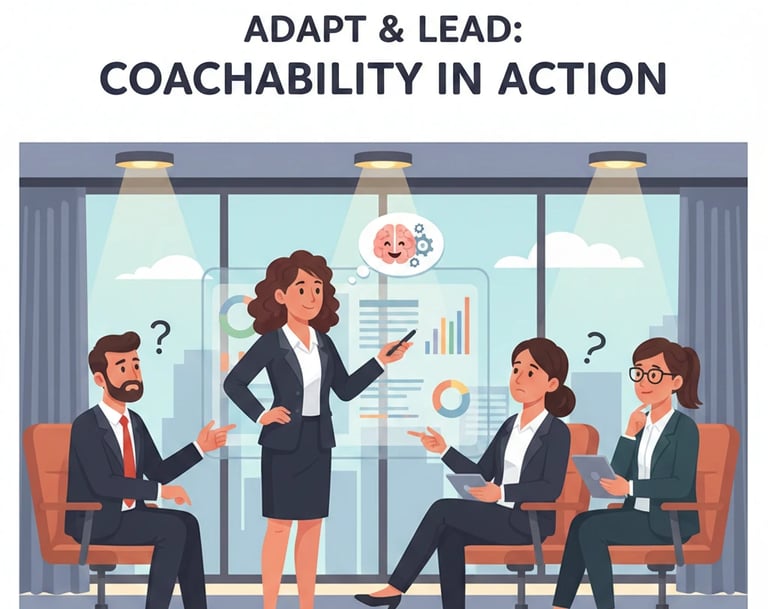
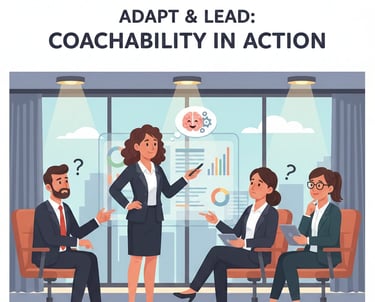
Section 6 — Defensiveness Is the Fastest Way to Signal Poor Coachability
If there’s one trait investors try to detect early—often without saying so—it’s coachability.
Not obedience.
Not agreeableness.
Coachability.
And the fastest way founders unintentionally fail that test is through defensiveness.
Most founders don’t realize they’re being defensive. In their minds, they’re clarifying, correcting, or protecting accuracy. In an investor’s mind, however, defensiveness signals something far more serious:
“This founder may be hard to work with when things stop going well.”
That single perception can quietly end a deal.
Why investors probe for defensiveness early
Investors assume three things as facts:
Every startup will hit turbulence
The initial plan will be wrong in some places
Capital magnifies both strengths and weaknesses
So investors don’t ask questions only to learn about the business. They ask to observe how feedback is metabolized.
Do you absorb information—or deflect it?
Do you integrate critique—or neutralize it?
Do you explore alternate views—or shut them down?
The content of your answer matters less than the posture behind it.
The difference between defending logic and defending ego
This distinction is subtle, but investors are very attuned to it.
Defending logic sounds like:
“That’s a fair concern—here’s how we’ve been thinking about the trade-off.”
“We tested that assumption early and here’s what surprised us.”
“If that risk materializes, here’s how we’d adjust.”
Defending ego sounds like:
“We’ve never heard that concern before.”
“I think that’s just a misunderstanding.”
“Our advisors don’t see it that way.”
The first invites dialogue.
The second shuts it down.
Investors rarely argue with ego. They just disengage.
Why defensiveness predicts future boardroom friction
Venture-scale companies require constant recalibration. Strategies change. Leadership adapts. Market signals shift.
Founders who become defensive early often:
delay acknowledging problems
resist uncomfortable data
rationalize instead of updating
personalize disagreement
This slows response time at exactly the moments speed matters most.
Investors have lived this movie before. They recognize the opening scenes.
How defensiveness hides inside “confidence” and “passion”
Many founders confuse defensiveness with passion or conviction.
They think:
“I’m just standing up for the vision.”
But investors draw a different conclusion when:
tone becomes sharp
explanations become longer under challenge
counterpoints are reframed as ignorance
questions are answered indirectly
None of these mean the founder is wrong.
They mean the founder isn’t listening.
And listening is a non-negotiable skill at scale.
The uncomfortable truth: defensiveness is rarely about the question
Defensiveness usually comes from one of three internal triggers:
fear that doubt will unravel credibility
attachment to a specific narrative
anxiety about being perceived as “not ready”
Investors understand this psychology. But understanding doesn’t equal tolerance.
Their logic is simple:
“If this is how the founder reacts in a controlled meeting, how will they react when stakes are higher?”
Capital follows emotional composure.
Why coachability is about processing speed, not agreement
Investors don’t expect founders to accept every suggestion.
They watch:
how fast you understand the concern
whether you can restate it accurately
how you integrate it into your existing model
A founder can disagree respectfully and still score high on coachability.
But a founder who rejects input reflexively—even when correct—signals rigidity.
Rigid founders break in nonlinear environments.
The silent grading rubric investors use
After meetings, investors often recap founders using phrases like:
“Open”
“Sharp”
“Defensive”
“Hard to read”
“Very sure of himself”
These words correspond to risk categories, not personality traits.
“Defensive” is almost always a negative mark.
Not because it’s unpleasant—but because it forecasts friction.
How strong founders respond under challenge
Highly trusted founders share a consistent pattern:
They pause before answering
This shows thought, not weakness.They acknowledge the concern explicitly
Not as a rhetorical move—as genuine recognition.They respond with structure, not emotion
Clear logic over volume.They leave room for revision
Confidence without rigidity.
This behavior signals maturity instantly.
And maturity is investable.
The paradox founders must internalize
The paradox is this:
The more you try to protect certainty,
the more certainty investors lose.
The more willing you are to explore uncertainty,
the safer investors feel.
Defensiveness is not a communication issue.
It’s a trust issue.
Why this matters in Pillar 11
Defensiveness is one of the most common behavioral red flags investors see—and one of the least acknowledged by founders.
It rarely gets mentioned in rejection emails.
It rarely appears in direct feedback.
But it influences decisions quietly and decisively.
Recognizing it—in advance—is one of the highest leverage awareness shifts a founder can make.
Section 7 — Inconsistency Is the Quiet Red Flag Investors Rarely Call Out (but Always Notice)
If overconfidence and defensiveness are visible red flags, inconsistency is the quiet one.
It rarely triggers confrontation.
It rarely receives direct feedback.
And yet, it is one of the fastest ways investors lose confidence.
Inconsistency doesn’t mean being wrong.
It means being unstable in how you reason.
To investors, that distinction matters more than founders realize.
What investors actually mean by “inconsistent”
Founders often assume inconsistency refers to:
changing numbers
revising projections
evolving strategy
Those things are expected.
What investors notice instead is inconsistency of logic.
For example:
A founder frames a decision as data-driven, then later defends it emotionally
A risk is described as negligible on one slide and fundamental in another
The company is positioned as premium early, then mass-market under pressure
Constraints appear and disappear depending on convenience
None of this is catastrophic individually.
Together, they signal instability.
Why inconsistency scares capital more than incorrect assumptions
Incorrect assumptions can be stress-tested and corrected.
Inconsistent reasoning suggests something harder to fix:
lack of a stable mental model
weak internal prioritization
narrative-first decision making
Investors think in systems.
When they sense that a founder’s system for interpreting reality shifts situationally, they hesitate to commit resources.
The concern isn’t that the founder will change their mind.
It’s that they’ll change it for the wrong reasons.
How inconsistency emerges under pressure
Most founders don’t start inconsistent.
Inconsistency usually appears when:
questions get sharper
time feels compressed
emotional investment rises
The founder begins to:
adjust framing to avoid discomfort
soften previously strong claims
add new justifications reactively
This isn’t dishonesty.
It’s cognitive overload.
Investors still interpret it as a red flag.
The internal investor question inconsistency triggers
When investors spot inconsistency, they don’t think:
“This founder is lying.”
They think:
“Which version of this belief will guide decisions later?”
That uncertainty is dangerous.
Capital needs stable operating logic to compound.
Without it, investors imagine downstream chaos:
conflicting priorities
unclear accountability
reactive leadership
They choose not to participate.
Common inconsistency patterns investors recognize immediately
Some patterns come up repeatedly:
Metric drift
What matters changes during the conversation, depending on what’s challenged.Market framing shifts
The market is “huge” when discussing upside, “focused” when discussing competition.Team narrative reversal
A role is critical on one slide and “easily replaceable” under scrutiny.Risk elasticity
Risks expand and contract based on how threatening the question feels.
These moves don’t increase credibility.
They erode it.
Why founders think they’re being adaptive — and investors don’t
Founders often defend inconsistency by saying:
“We’re flexible.”
Flexibility is good.
Elastic logic is not.
Adaptive founders:
update beliefs based on new evidence
explain why beliefs changed
maintain consistent decision criteria
Reactive founders:
change explanations to relieve tension
adjust framing to avoid scrutiny
prioritize narrative survival over clarity
Investors reward the first.
They exit the second.
The discipline investors look for instead
What investors want is internal coherence.
That means:
the same decision principles appear everywhere
trade-offs are acknowledged consistently
constraints don’t disappear when inconvenient
Investors don’t require perfection.
They require directional consistency.
This allows them to trust how future decisions will be made.
The subtle role of time pressure
Time pressure reveals inconsistency faster than disagreement.
When founders rush:
they shortcut reasoning
they contradict earlier positions
they emphasize convenience over truth
Investors often intentionally apply time pressure—not to trap founders, but to see whether:
logic holds up
priorities remain stable
leadership posture deteriorates
What they learn here outweighs many slides.
How strong founders maintain consistency under pressure
Consistent founders do three things well:
They anchor answers to principles, not narratives
They reuse the same reasoning across contexts
They’re comfortable letting an answer be incomplete rather than shifting it
This steadiness is rare—and highly investable.
Why inconsistency often kills deals silently
In many cases, nothing dramatic happens.
The meeting ends politely.
Feedback is vague.
Follow-ups slow down.
Inside the investor’s mind, the decision is already made:
“I don’t trust the internal compass.”
Deals don’t die loudly.
They fade quietly.
The takeaway founders must internalize
Consistency doesn’t mean stubbornness.
It means having a clear internal model and sticking to it unless reality truly changes.
If reality changes, explain the update explicitly.
Don’t slide between versions unconsciously.
Investors aren’t afraid of change.
They’re afraid of erratic navigation.


Section 8 — When Metrics Become a Red Flag: How the Wrong Numbers Undermine Trust
Founders love metrics because they feel objective.
Investors are cautious of metrics for the exact same reason.
Numbers create the illusion of certainty — and when that illusion breaks, trust erodes faster than with words alone. This section matters because some of the clearest red flags in fundraising don’t come from weak numbers, but from how numbers are chosen, framed, and defended.
Founders rarely realize this is happening.
Investors notice it immediately.
Why metrics are never neutral in an investor’s mind
Every metric answers an implicit question:
“What does this founder believe actually matters?”
Choosing which numbers to show is a statement about priorities, understanding, and operating maturity.
Investors therefore look beyond the raw value of a metric and ask:
Why this metric, not another?
Why now?
How does this guide real decisions?
What does this hide?
Metrics are interpreted as signals of thinking, not just performance.
The most common metric-related red flags
Some red flags show up again and again, regardless of industry.
1. Vanity metrics dressed up as progress
Impressions, downloads, signups, or “engagement” presented without a clear causal link to revenue or retention immediately raise suspicion.
Investors ask silently:
“Does this actually move the business, or just the story?”
If the founder can’t articulate that link crisply, confidence drops.
2. Metrics without context
A number without a baseline, timeframe, or comparison is close to meaningless.
Examples investors flag:
“Our CAC is $40” (compared to what?)
“We’re growing 20% month over month” (from where, and for how long?)
“Churn is low” (relative to stage, cohort, or benchmark?)
Lack of context suggests superficial metric literacy.
3. Over-precision in early stages
Detailed forecasts far into the future can be more damaging than helpful.
When founders present:
five decimal-point precision
highly specific long-term projections
confident curves without confidence intervals
investors don’t admire discipline — they see false certainty.
Early-stage metrics are inherently noisy.
Pretending otherwise signals poor probabilistic thinking.
4. Metric defensiveness
Metrics are often where defensiveness shows up first.
Founders may:
justify instead of explain
debate edge cases instead of principles
avoid acknowledging weakness in key numbers
This matters because metrics are where reality intrudes.
If a founder can’t engage honestly with weak data, investors assume future data will be handled the same way.
What investors are really testing with numbers
Contrary to popular belief, investors rarely expect metrics to be “good” early.
They expect them to be:
relevant
interpretable
decision-guiding
Strong metrics answers sound like:
“This number is weak, and here’s why that’s expected at this stage.”
“We track X closely because it predicts Y downstream.”
“If this metric doesn’t improve by N, we know the strategy needs to change.”
This shows control.
Weak answers sound like:
“It’s still early.”
“We’re not focusing on that yet.”
“It’ll improve once we scale.”
Those responses defer responsibility.
Why “everything is improving” is a warning sign
Founders sometimes present dashboards where every metric points up and to the right.
Paradoxically, this can trigger skepticism.
Investors ask:
Where’s the tension?
What trade-off is visible?
What’s not working yet?
Real systems have friction.
Real progress has imbalance.
A metrics narrative without struggle often feels manufactured.
Metrics and honesty: the non-negotiable foundation
Investors can tolerate:
slow growth
early churn
experimentation
missed targets
They do not tolerate:
selective reporting
metric gymnastics
reframing weakness as strength
Once an investor suspects numbers are being used to manage perception rather than guide decisions, the relationship becomes unsafe.
Capital follows honesty before performance.
The difference between measurement and storytelling
Metrics should explain what is happening.
They should not serve primarily to explain why you deserve funding.
When metrics become part of a persuasion strategy instead of an operating strategy, investors disengage.
Experienced investors can feel this shift instantly.
How strong founders use metrics to reduce risk, not sell upside
High-signal founders use numbers to:
clarify uncertainty
identify leading indicators
show where they lack confidence
explain how learning happens
This flips the dynamic.
Instead of metrics being a test the founder must pass, metrics become a shared diagnostic tool.
Investors lean in when they feel invited to interpret reality collaboratively.
The silent conclusion investors reach
When metrics are framed well, investors think:
“Even if this takes longer, I trust how this founder will steer.”
When metrics are framed poorly, they think:
“If this goes off-plan, I won’t know what’s really happening.”
Deals rarely survive the second thought.
The core insight to internalize
Metrics don’t destroy trust because they’re bad.
They destroy trust when they reveal:
misaligned priorities
weak causal thinking
discomfort with reality
Numbers don’t need to impress.
They need to be useful.
Many metric-related red flags appear because founders lack early external feedback. AI Pitch Deck Analysis helps surface how investors may interpret metrics, assumptions, and framing—highlighting blind spots before real capital conversations begin.
Not all traction signals matter equally to investors. The traction and metrics pillar breaks down which numbers signal real progress—and which ones accidentally undermine credibility when framed incorrectly.
Section 9 — Team Narratives That Unravel Under Scrutiny (And What Investors Hear When They Do)
Founders talk about team strength constantly.
Investors listen — but rarely in the way founders expect.
To a founder, the team section is about credibility, chemistry, and capability.
To an investor, it’s a stress test of leadership judgment.
Team narratives don’t fail because teams are weak.
They fail because the story collapses when pressure is applied.
And when that happens, investors stop debating talent and start questioning control.
Why investors treat team discussion as a leadership diagnostic
Investors know one uncomfortable truth:
Teams change. Leaders don’t.
So when investors ask about the team, they are not just mapping skills. They’re assessing:
how founders allocate responsibility
how they think about gaps
how power is distributed
how conflict is likely handled
A strong team slide does not reassure investors by listing résumés.
It reassures them by revealing sound leadership mechanics.
The red flag isn’t missing roles — it’s unclear ownership
Early-stage teams are almost always incomplete.
Investors expect that.
What they don’t tolerate is ambiguity around ownership.
Red flags appear when:
multiple founders “sort of” own the same domain
accountability shifts based on outcomes
roles are described vaguely to avoid tension
decision rights are unclear
These signals suggest future gridlock.
Investors imagine a board meeting six months later where no one owns the problem.
That’s a scenario they avoid early.
Founder narratives that quietly decrease confidence
Some common team-related story patterns investors react negatively to:
1. “We’re all very flexible”
Flexibility can be strength — or avoidance.
When no one has firm ownership, flexibility often masks discomfort with hard decisions.
Investors prefer clarity first, flexibility second.
2. “This person isn’t critical, but also irreplaceable”
Inconsistency here signals emotional attachment without strategic clarity.
Investors start wondering:
What happens if this person leaves?
Is the founder over-dependent?
Are there unacknowledged power dynamics?
3. “Hiring will solve this later”
Hiring is not a strategy.
When founders defer core gaps endlessly, investors hear:
“We don’t yet know how to run this function.”
That may be acceptable early — but it must be acknowledged honestly.
How team defensiveness reveals deeper issues
Team questions often surface defensiveness faster than product or market questions.
Examples:
A founder bristles when asked about a co-founder’s weaknesses
Gaps are reframed as “startup chaos”
Departures are minimized without explanation
This matters because team stress is inevitable.
If founders struggle to talk openly about people dynamics now, investors assume governance will be painful later.
Investors look for replaceability logic
Strong founders think clearly about replaceability — not in a ruthless way, but in a systems-aware way.
They ask:
Which roles are mission-critical now?
Which can evolve?
Which should be de-risked through redundancy?
Where are single points of failure?
When founders can articulate this calmly, investors relax.
It signals that the company is being built as an organization, not just a relationship cluster.
Why “founder love” stories can backfire
Some founders lean heavily into:
how long they’ve known each other
how much they trust one another
how aligned they are philosophically
These are not negatives — but on their own, they’re insufficient.
Investors don’t fund friendships.
They fund decision systems.
If trust exists without structure, investors worry about:
avoidance of hard conversations
delayed accountability
unchallenged assumptions
High trust must be paired with clear authority to feel investable.
How investors assess founder dynamics indirectly
Investors rarely ask:
“Do you fight well?”
They infer it by watching:
who answers which questions
whether founders contradict or reinforce each other
how credit and blame are assigned
whether one founder consistently defers non-essential control
Small signals here carry enormous weight.
A team that feels aligned but brittle is far riskier than a team that feels honest but unfinished.
The most trusted founder posture around teams
High-signal founders speak about teams with:
respect without idealization
clarity without defensiveness
confidence without denial
They can say things like:
“This area is weaker than we want, and it’s where we’ll spend next.”
“We’re strong here, but we know it’s fragile if X happens.”
“This role transitions once we hit Y milestone.”
That language tells investors:
“This founder sees the system, not just the people.”
Why team clarity compounds trust across the pitch
When team thinking is clear:
metrics are interpreted more generously
strategy debates feel safer
market assumptions are trusted more
Because investors believe:
“Even if this plan breaks, the leadership structure can absorb it.”
Team narratives aren’t isolated.
They reinforce — or undermine — everything else.
The key insight to internalize
Your team narrative is not about proving you’ve hired well.
It’s about proving you understand leadership under stress.
Investors don’t expect perfection in people.
They expect maturity in how people are managed.
When that maturity is visible, red flags disappear quietly.


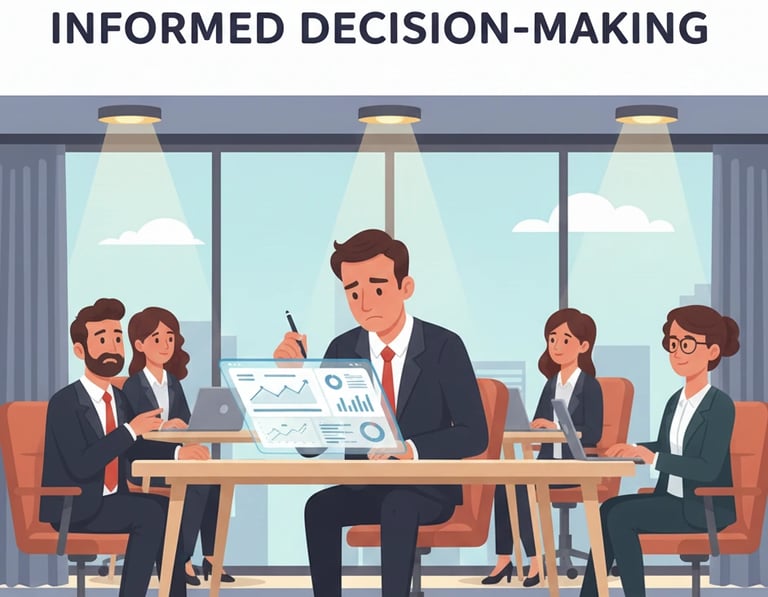
Section 10 — How Founders Accidentally Signal Poor Decision-Making Under Pressure
Pressure doesn’t change who a founder is.
It reveals how they decide.
And for investors, decision-making under pressure is one of the most predictive signals of future outcomes—far more predictive than intelligence, experience, or even past success.
This is why investors often push conversations into uncomfortable territory. Not to confuse founders. Not to intimidate them. But to observe how decisions are formed when certainty dissolves.
Most founders underestimate how much they reveal in these moments.
Why investors care more about process than outcomes
Founders are often obsessed with outcomes:
Did we grow?
Did the experiment work?
Did the customer convert?
Investors care more about the process that led there.
Because outcomes fluctuate.
Processes compound.
When investors listen to founders explain decisions, they’re silently asking:
Was this choice reactive or reasoned?
Was trade-off awareness present?
Were second-order effects considered?
Did the founder recognize uncertainty — or pretend it didn’t exist?
Good outcomes from bad processes feel dangerous.
Average outcomes from good processes feel investable.
The subtle behaviors that trigger investor concern
Very few founders make obviously bad decisions in front of investors.
Instead, concern arises from subtleties like:
Rushing to an answer instead of thinking
Optimizing for impressiveness over correctness
Choosing certainty when probability would be more honest
Answering a different question than the one asked
Framing hindsight as foresight
Each of these suggests that future decisions — when capital is at risk — may prioritize narrative comfort over truth.
That’s a governance problem.
Why “fast answers” can be a hidden red flag
Speed is often praised in startups.
But investors don’t confuse speed of response with speed of judgment.
When founders answer complex questions instantly, investors wonder:
Was this thought through before?
Or is this an improvisation under pressure?
Quick answers feel strong only when:
the underlying logic is clear
assumptions are named
uncertainty is acknowledged
Quick answers with no scaffolding feel brittle.
Silence followed by structured reasoning often scores higher than immediate confidence.
How founders accidentally overfit to investor expectations
Under pressure, founders often try to reverse-engineer what they think the investor wants to hear.
This leads to:
abandoning their own logic mid-conversation
adjusting principles to align with perceived preferences
contradicting earlier statements to sound “aligned”
Investors notice immediately.
Not because alignment is bad — but because misalignment with oneself signals weak internal conviction.
Founders who change frameworks too easily raise fears that decisions will be externally driven rather than internally disciplined.
Why rationalization is more dangerous than being wrong
Everyone is wrong sometimes.
Investors don’t penalize that.
What worries them is post-hoc rationalization:
turning accidents into strategy
overstating intentionality
pretending trade-offs were deliberate when they weren’t
This behavior suggests a founder who:
will blur lessons
delay corrections
struggle to learn quickly
Learning speed matters more than initial direction.
Rationalization slows learning.
How stress reveals decision hierarchies
Pressure reveals what founders prioritize first.
When challenged, investors observe:
Do you defend the product, the plan, or the reasoning?
Do you protect perception or clarity?
Do you optimize for being right or understanding reality?
These reactions reveal decision hierarchies.
Founders whose top priority is clarity inspire confidence.
Those who prioritize appearance raise alarms.
The difference between decisive and impulsive
Decisive founders:
make choices using explicit criteria
explain why alternatives were rejected
commit — but revisit assumptions deliberately
Impulsive founders:
conflate speed with strength
skip framing
move quickly without anchoring logic
Investors back decisiveness.
They avoid impulse masked as confidence.
The investor’s unspoken future simulation
When investors watch you decide under pressure, they simulate future scenarios:
Board disagreements
Missed targets
Public scrutiny
Layoff decisions
Strategic pivots
They ask:
“Will this founder stay grounded when reality pushes back?”
Your answers today are proxies for those moments.
Why decision-making maturity often outweighs experience
Some first-time founders earn more trust than repeat founders.
Why?
Because they:
think carefully
acknowledge limits
reason transparently
don’t perform certainty
Investors prefer a founder who reasons well today over one who guesses confidently based on yesterday’s success.
Decision maturity is transferable.
Past wins are not.
The internal shift founders must make
Instead of asking:
“What’s the best answer here?”
Ask:
“What’s the most honest, structured way to think about this?”
This reframing changes everything.
Your goal in high-pressure moments is not to impress.
It’s to demonstrate you can navigate uncertainty without distorting reality.
That’s what investors fund.


Section 11 — How Story Gaps Become Trust Gaps (And Why Investors Notice Them Instantly)
Founders often hear that “storytelling matters.”
What they’re rarely told is why storytelling matters to investors—and where it quietly fails.
Investors are not looking for cinematic narratives.
They are looking for continuity of reasoning.
When stories feel incomplete, contradictory, or selectively simplified, investors don’t think:
“The story wasn’t polished.”
They think:
“There are things being avoided.”
That shift—from polish to avoidance—is where trust starts to leak.
What story gaps actually signal to investors
A story gap isn’t just missing information.
It’s a break in causal flow.
Examples include:
Key decisions explained without motivation
Transitions that skip over trade-offs
Outcomes without describing failed alternatives
Conclusions without visible reasoning
To a founder, these omissions may feel efficient.
To an investor, they feel dangerous.
Because gaps obscure how decisions were actually made.
Why investors assume gaps hide more than they explain
Investors are trained to assume incomplete explanations are not accidental.
Not because founders are dishonest—but because stress causes editing.
When founders feel:
unsure
exposed
unprepared
they unconsciously compress narratives to avoid scrutiny.
Investors recognize this pattern instantly.
Their internal response becomes:
“If this part is unclear now, it’ll be opaque later.”
Opacity and capital don’t mix.
The most common story gaps that trigger concern
Some gaps appear repeatedly across pitches:
1. The “why now” gap
Founders describe a market opportunity without explaining why it becomes viable today.
This raises questions about timing judgment.
2. The decision gap
Key decisions are stated, not justified.
Example: “We pivoted from X to Y.”
But not why X failed or why Y was chosen.
This removes insight into learning processes.
3. The risk evolution gap
Risks are listed, but not tracked over time.
Investors want to know:
Which risks mattered early?
Which emerged later?
Which were incorrectly prioritized?
Static risk narratives feel shallow.
4. The alternative path gap
Founders describe the chosen approach as inevitable.
Investors wonder:
“What did they not choose—and why?”
Revealing rejected paths builds confidence. Hiding them weakens it.
Why story compression equals risk blindness
Founders often compress stories to:
keep decks short
manage time
avoid complexity
But investors equate compressed reasoning with:
unexamined assumptions
shallow learning
overconfidence in early judgments
You don’t earn trust by being concise.
You earn trust by being selectively transparent.
Why continuity matters more than polish
A rough story with consistent logic beats a smooth story with invisible jumps.
Investors forgive messy delivery.
They don’t forgive broken reasoning.
Continuity assures investors that:
thinking is systematic
decisions compound logically
new information gets integrated rather than resisted
This makes future collaboration feel safe.
How strong founders tell stories differently
High-trust founders:
narrate decisions as processes, not events
explain what surprised them
highlight where intuition failed
show how beliefs evolved
This vulnerability isn’t weakness.
It demonstrates learning velocity.
And learning velocity is one of the strongest predictors investors optimize for.
The paradox founders must accept
The cleaner you try to make the story,
the more suspicious it becomes.
The more you reveal the messy middle,
the more investors trust the result.
Investors don’t expect linear progress.
They expect honest navigation.
Why stories fail precisely when stakes rise
As stakes increase, founders feel pressure to sound composed.
Ironically, this is when story gaps widen.
Investors see this pattern frequently:
Early conversations feel fluid and honest
Later pitches feel tighter—but less transparent
When detail decreases as stakes increase, trust decreases too.
The investor question you should design against
All of this maps back to one implicit investor question:
“Can I understand how this founder thinks when things don’t work?”
If your story answers that—even imperfectly—you build confidence.
If it doesn’t, no amount of polish will save it.
The core insight to carry forward
Storytelling is not persuasion.
It’s evidence of how your mind moves through uncertainty.
Close the gaps.
Not by adding words—but by revealing reasoning.
That’s where trust lives.
Story failures often come from missing reasoning, not weak storytelling. The storytelling and narrative pillar explores how transparent logic builds trust, while overly compressed stories quietly raise investor concerns.


Section 12 — How Silence, Hesitation, and Timing Shape Investor Judgment More Than Words
Founders focus heavily on what they say.
Investors listen just as carefully to:
when you speak
when you pause
when you hesitate
what you don’t answer immediately
These moments carry disproportionate weight because they feel unfiltered. They bypass rehearsed narratives and expose how a founder processes uncertainty in real time.
This section matters because many founders accidentally send negative signals without saying anything wrong at all.
Why investors read pauses as data, not weakness
Founders often fear silence.
They rush to fill gaps because they assume:
“If I pause, I look unsure.”
Investors read silence differently.
A pause can signal:
active reasoning
intellectual honesty
decision discipline
respect for complexity
Rushing to answer often signals the opposite.
Investors care less about speed and more about cognitive control.
A founder who can pause calmly under scrutiny communicates that their thinking isn’t fragile.
The difference between healthy hesitation and confusion
Not all hesitation is equal.
Investors distinguish between:
processing hesitation — gathering thoughts, structuring a response
avoidance hesitation — buying time to escape scrutiny
Processing hesitation feels grounded.
Avoidance hesitation feels slippery.
The difference shows up in posture and trajectory:
Does the answer eventually get clearer?
Or does it stay abstract?
Does the founder return to the question?
Or redirect entirely?
Clarity after a pause builds trust.
Deflection after a pause destroys it.
Why over-filling silence can backfire
Many founders respond to investor questions by:
over-explaining
adding unnecessary detail
stacking justifications
repeating points in different forms
This often comes from a fear of being misunderstood.
Investors experience it differently.
They hear:
“This founder may not know which part of the answer actually matters.”
Over-verbosity during silence recovery signals lack of prioritization.
Strong founders answer in layers, not floods.
Timing reveals decision hierarchy
Investors watch how quickly founders respond to different types of questions.
They notice:
which questions trigger instant clarity
which cause hesitation
which provoke defensiveness
which provoke genuine reflection
This creates a mental map of what the founder has truly thought through.
Fast answers to superficial questions and slow answers to foundational ones raise concern.
The reverse builds confidence.
The risk of answering before understanding the question
In high-pressure pitches, founders sometimes answer the version of the question they expected — not the one being asked.
This happens when:
founders operate on scripts
anxiety increases
attention narrows
Investors notice immediately.
They interpret it as:
weak listening
over-reliance on prepared narratives
low adaptability
Strong founders often begin by reframing:
“Let me make sure I’m answering the right part of that.”
That single move increases trust dramatically.
When silence indicates governance risk
There is one type of silence investors do worry about.
Silence around:
ethical questions
ownership conflicts
accountability failures
prior mistakes
These pauses feel different.
They suggest avoidance, not reflection.
Founders who struggle to speak clearly about uncomfortable realities create fear about future crisis management.
Investors prefer difficult clarity to graceful evasion.
How confident founders use silence strategically
High-maturity founders:
pause intentionally
think visibly
speak precisely
stop when the answer is complete
They don’t rush to impress.
They don’t fear being challenged.
They let structure do the work.
This composure communicates something fundamental:
“I can sit with uncertainty without distorting it.”
That is leadership under pressure.
Why timing matters more as stakes increase
As funding rounds grow larger:
scrutiny intensifies
pressure increases
margin for error shrinks
At these stages, behavioral micro-signals dominate perception.
Investors assume:
“If this is how the founder handles a question now, this is how they’ll handle a crisis later.”
Silence becomes predictive.
The mental shift founders need to make
Stop treating silence as danger.
Start treating it as a tool.
You are not being graded on speed.
You are being assessed on judgment, composure, and clarity.
Those qualities reveal themselves in timing.
Core takeaway
Words communicate information.
Timing communicates control.
And control is what investors back when uncertainty is high.
Investor judgment is shaped as much by delivery as by content. The pitch delivery pillar explores how pacing, pauses, and composure influence perceived confidence during real fundraising conversations.


Section 13 — Patterns Investors Recognize in Founders Who Consistently Earn Trust
By the time a pitch conversation ends, seasoned investors are rarely debating slides or numbers.
They’re asking a quieter question:
“Does this founder feel reliable under uncertainty?”
Reliability isn’t charisma.
It isn’t polish.
It isn’t even experience.
It’s a pattern.
And investors are exceptionally good at recognizing it.
This section pulls together the behavioral signals investors repeatedly associate with founders they continue backing — even through setbacks.
Investors don’t look for traits. They look for patterns.
Founders often ask:
“Do investors want confidence?”
“Do they want vision?”
“Do they want grit?”
The answer is: sometimes.
But what investors actually trust are recurring behaviors across different contexts.
A founder who shows:
clarity in explanation
restraint in claims
openness under challenge
consistency in reasoning
…starts to form a recognizable pattern.
That pattern becomes more persuasive than any individual slide.
The first pattern: Stable internal logic
Trusted founders reason from internal principles rather than external validation.
They:
explain why something works before citing proof
maintain the same criteria across decisions
don’t change frameworks mid-conversation
Investors don’t agree with every assumption — but they trust the engine producing them.
That distinction matters.
The second pattern: Comfort with trade-offs
Every real decision involves loss.
Founders who earn trust:
name trade-offs voluntarily
explain what they’re giving up and why
don’t position choices as universally optimal
This signals maturity.
Investors know trade-offs can be debated.
What can’t be debated is pretending they don’t exist.
The third pattern: Predictable response to pressure
Pressure reveals character faster than success.
Trusted founders show:
even emotional tone
structured thinking
measured pacing
intellectual honesty
They don’t escalate language.
They don’t force certainty.
They don’t deflect judgment.
Investors leave meetings feeling:
“This founder will think clearly when it matters.”
That feeling is priceless.
The fourth pattern: Clear ownership of reality
High-trust founders:
own mistakes without dramatizing them
explain failures without laundering intent
avoid blaming markets, customers, or timing
This doesn’t mean self-criticism.
It means reality alignment.
Investors trust founders who are grounded in what actually happened — not what sounds best in hindsight.
The fifth pattern: Learning speed over defensiveness
Failures aren’t fatal.
Slow learning is.
Founders investors lean into:
describe how their thinking changed
show how feedback was integrated
acknowledge where intuition failed
They don’t protect old narratives.
They evolve them.
Investors optimize for learning velocity because:
the faster someone updates, the less damage mistakes cause.
The sixth pattern: Bounded ambition
Ambitious founders still agree on one thing with investors:
Unbounded ambition is not usable.
Trusted founders:
articulate what success looks like
define intermediate milestones
separate aspiration from execution
They know when to zoom out — and when to zoom in.
This makes collaboration easier.
And collaboration reduces risk.
The seventh pattern: Respect for investor judgment
Investors notice when founders:
treat questions as signals, not threats
respond with curiosity instead of defensiveness
allow disagreement without friction
This respect is often reciprocal.
Founders who create psychological safety for inquiry receive better insight, better partnerships, and better outcomes.
Why these patterns matter more than any checklist
No investor walks out saying:
“Great founder, hit all 9 of our criteria.”
What they say instead is:
“Something about this feels solid.”
That “something” is pattern recognition.
It’s the investor’s experience telling them:
“I’ve seen this posture before. It scales.”
Once that conclusion forms, traction gaps and execution risks feel manageable.
Without it, even strong numbers feel fragile.
The hard truth founders must understand
You cannot manufacture these patterns in a single pitch.
They emerge from:
how you think consistently
how you act under pressure
how you explain decisions
how you integrate reality
This is why content, conversations, and decks must align.
Investors notice misalignment instantly.
The lens you should adopt moving forward
Stop asking:
“Is this impressive?”
Start asking:
“Is this reliable?”
Reliability compounds.
Impression fades.
The founders who earn repeat capital understand this difference intuitively.
Why this section anchors Pillar 11
Pillar 11 is about recognizing red flags — but more importantly, recognizing green flags founders can intentionally cultivate.
This section defines them.
Not as traits to perform — but behaviors to internalize.


Section 14 — Why Investors Often Say “Not Now” (And What That Actually Means)
One of the most misunderstood investor responses is also the most common:
“Not now.”
“Too early.”
“Let’s stay in touch.”
“We’d love to see more progress.”
Founders often hear these as soft rejections — or worse, polite brush-offs.
Investors mean something far more specific.
Understanding this difference is critical, because “not now” is rarely about traction alone. It’s about readiness of judgment.
“Not now” is almost never about effort
Founders usually interpret timing feedback as:
“We need more users”
“We need more revenue”
“We need more traction”
Sometimes that’s true.
But far more often, “not now” means:
“This founder hasn’t fully crystallized their operating model yet.”
Investors hesitate not because progress is insufficient — but because future progress feels unpredictable.
Capital hates unpredictability more than slowness.
The three internal questions behind “not now”
When an investor says “not now,” they’re usually wrestling with one (or more) of these questions:
Will this founder make good decisions as complexity increases?
Do I understand how their thinking will evolve under pressure?
If something breaks, do I trust their response instinct?
If the answer to any of these feels fuzzy, timing becomes an excuse.
Why founders mistake momentum for readiness
A common founder error is assuming momentum equals investability.
Momentum looks like:
growing users
improving metrics
expanding scope
media buzz
Readiness, however, looks like:
stable mental models
clear prioritization logic
repeatable decision frameworks
disciplined trade-off thinking
Investors often sit out rounds not because momentum is low — but because readiness hasn’t caught up to momentum yet.
That mismatch scares capital.
The hidden investor fear behind waiting
Investors don’t fear missing upside as much as they fear losing optionality.
Backing too early locks them into:
governance influence
reputation exposure
opportunity cost
When they say “not now,” they’re often saying:
“I want to understand this founder better before committing.”
That understanding doesn’t come from metrics alone.
It comes from consistent patterns of thinking.
Why some founders get a “yes” earlier with less traction
You may have seen this and felt confused.
Founders with:
less traction
smaller markets
earlier products
but strong investor alignment move faster.
Why?
Because their reasoning feels coherent.
Investors think:
“Even if this doesn’t work exactly as planned, I trust the update loop.”
That trust compresses time.
“Not now” is an invitation — not a dismissal
This is the critical reframe founders miss.
“Not now” often means:
“Show me how your thinking matures.”
“Let me observe how you navigate the next set of decisions.”
“Demonstrate consistency over time.”
Founders who re-engage by:
spamming updates
inflating wins
hiding setbacks
usually fail the second evaluation.
Founders who:
share learning explicitly
explain why decisions changed
demonstrate sharper judgment
often convert “not now” into “okay” without massive traction leaps.
Why time between meetings matters more than the next meeting
Investors don’t just evaluate what changed.
They evaluate how it changed.
Between conversations, they’re asking:
Did this founder over-correct or under-correct?
Did they absorb feedback selectively or holistically?
Did their reasoning sharpen — or spread thin?
Time reveals pattern integrity.
That’s why rushed follow-ups feel weaker than thoughtful progression.
The most dangerous founder reaction to “not now”
The most dangerous reaction is:
“They didn’t get it.”
That attitude blocks growth.
Investors don’t need to “get it.”
They need to trust the operator.
When founders externalize responsibility for timing, they often miss the internal work investors are waiting to see.
The productive way to treat “not now”
Healthy response looks like:
re-examining decision logic
tightening narratives around trade-offs
clarifying why certain paths were not taken
making thinking visible, not just outcomes
This doesn’t require changing the business.
It requires making judgment legible.
Why Pillar 11 emphasizes this moment
Many founders think Pillar 11 is about avoiding rejection.
It’s deeper than that.
It’s about understanding what investors actually wait for.
When you understand that, timing stops feeling random — and starts feeling navigable.
The key insight
“Not now” isn’t a verdict on your startup.
It’s a verdict on how predictable your future decisions feel today.
Improve that — and time compresses quickly.


Section 15 — Synthesis: How Investors Actually Decide Who to Back (And How Everything in This Pillar Comes Together)
If you step back from the individual sections in this pillar, a clear pattern emerges.
Investors are not judging:
your slides in isolation
your metrics at face value
your confidence as a personality trait
your vision as an abstract idea
They are evaluating one thing:
How you think when the situation is uncertain, incomplete, and high-stakes.
Everything else is a proxy.
This final section connects all fourteen sections into the single mental model investors operate from—and the one founders must internalize to stop misreading feedback, timing, and outcomes.
Investors fund decision-makers, not narratives
Across this pillar, we’ve seen this repeatedly:
Slides reveal judgment, not persuasion
Metrics expose priorities, not performance
Team narratives highlight governance, not chemistry
Confidence signals calibration, not belief
Silence reveals composure, not weakness
Investors aren’t fooled by packaging because packaging doesn’t survive stress.
They optimize for decision quality under pressure, because that’s what determines capital efficiency over time.
Once you understand this, investor behavior stops feeling random.
How all the red flags connect (and why they cluster)
None of the red flags discussed in this pillar exist alone.
They cluster because they originate from the same underlying issue:
unstable internal models.
Inconsistency → shifting logic
Defensiveness → ego-driven filtering
Overconfidence → constraint blindness
Vague vision → weak prioritization
Metric misuse → narrative-first thinking
Story gaps → unexamined assumptions
Investors don’t react to these as individual flaws.
They react because together they signal:
“This founder may struggle to navigate reality when conditions change.”
That is the core risk investors are trained to avoid.
The green flags investors quietly lean into
Likewise, trust-building behavior also clusters:
Calm pacing under pressure
Stable reasoning across contexts
Clear ownership of failures
Explicit trade-offs
Willingness to pause and think
Comfort with uncertainty
These patterns create a powerful subconscious reaction:
“Even if this doesn’t go exactly as planned, this person will adapt responsibly.”
That belief changes everything:
Questions soften
Doubt narrows
Timing accelerates
This is why some founders raise quickly with less traction.
Why investor psychology is conservative by design
It’s important to internalize one uncomfortable truth:
Investors are judged more harshly for bad losses than for missed wins.
This shapes their psychology.
They:
accept missing upside
avoid unpredictable operators
prioritize downside containment
reward decision discipline
Once you view investor behavior through this lens, responses like “not now” or “let’s stay in touch” stop feeling vague.
They’re expressions of risk calibration, not confusion.
The founder shift that unlocks fundraising leverage
The shift required is not tactical.
It’s cognitive.
You move from:
“How do I sound impressive?”
To:
“How do I make my thinking legible?”
Legibility is everything.
When investors can clearly see:
how you reason
how you update beliefs
how you handle pressure
how you decide trade-offs
they no longer need certainty to move forward.
They trust the process instead.
How this pillar changes how you prepare — permanently
After internalizing Pillar 11, founders stop optimizing:
individual slides
perfect answers
rehearsed lines
And start optimizing:
internal coherence
clarity of models
decision principles
behavioral consistency
Preparation shifts from memorization to alignment.
That change is visible immediately to investors.
The final investor question you should always answer
Every interaction with capital — whether in content, decks, or meetings — funnels into one silent question:
“Can I trust this person with uncertainty over time?”
You do not answer that with promises.
You answer it with patterns.
And patterns are created by:
how you think publicly
how you respond privately
how you explain decisions
how you acknowledge limits
This pillar exists to make those patterns conscious.
What founders who succeed internalize early
The founders who consistently raise understand this early:
You are never pitching an idea.
You are demonstrating a decision-making system.
When that system feels stable, capital flows.
When it doesn’t, no deck can compensate.
The closing insight
Fundraising is not persuasion.
It’s risk transfer.
Investors don’t need certainty to move forward.
They need confidence that when certainty breaks, your judgment won’t.
Everything in Pillar 11 points to that truth.
Internalize it—and the game changes permanently.
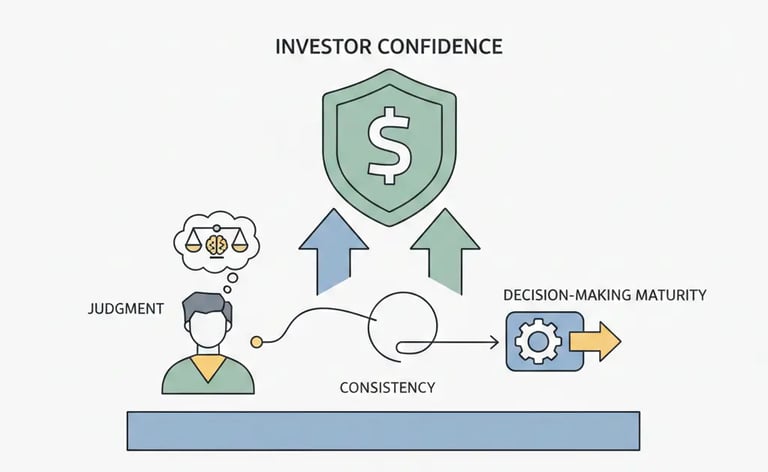
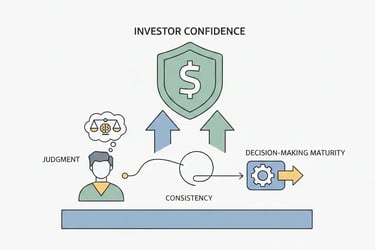
📘 In-depth Guides: Mistakes, Myths & Red Flags in Pitch Decks
Below are deeper, judgment-focused breakdowns
SUB-PILLAR 1: General Pitch Deck Mistakes
SUB-PILLAR 2: Storytelling & Narrative Mistakes
SUB-PILLAR 3: Design & Formatting Mistakes
SUB-PILLAR 4: Market & Competition Mistakes
SUB-PILLAR 5: Financials & Metrics Mistakes
SUB-PILLAR 6: Team & Founder Red Flags
SUB-PILLAR 7: Traction & Execution Mistakes
SUB-PILLAR 8: Slide-Specific Mistakes
SUB-PILLAR 9: Pitch Deck Myths & Misconceptions
Frequently Asked Questions — Pillar 11 : Mistakes, Red Flags & Investor Judgment
1. What do investors actually mean by “red flags” in a pitch?
Red flags are not single mistakes or imperfect slides. Investors use the term to describe patterns of behavior or thinking that suggest future decision-making risk. Things like defensiveness, inconsistent reasoning, avoidance of trade-offs, or misusing metrics matter more than individual errors because they predict how a founder will operate under pressure.
2. Can a strong pitch deck overcome investor red flags?
Rarely. A strong deck can delay rejection, but it does not erase underlying concerns about judgment, coachability, or leadership maturity. Investors assume decks can be improved; they care far more about whether the founder’s thinking will remain stable as challenges increase.
3. Why do investors often avoid giving direct feedback about red flags?
Because red flags are usually behavioral, not tactical. Saying “we noticed defensiveness” or “your logic felt inconsistent” risks confrontation and rarely changes behavior. Instead, investors rely on silence or timing feedback (“not now”) rather than explicit rejection reasons.
4. Is overconfidence always bad in investor meetings?
No. Unbounded overconfidence is the issue. Investors value conviction that is paired with constraints, probabilities, and clear trade-offs. Confidence becomes problematic only when it signals blindness to downside or an inability to update beliefs when new information emerges.
5. How can founders show coachability without sounding uncertain?
Coachability is not about agreement — it’s about processing input visibly. Founders can demonstrate coachability by acknowledging points, explaining how feedback fits into existing logic, and showing where decisions might change without abandoning core conviction.
6. Why does inconsistency worry investors more than being wrong?
Because errors can be corrected, but unstable logic is hard to trust. Investors want to believe that future decisions will be made using the same principles they observe today. Inconsistency suggests decisions may shift reactively rather than systematically.
7. What role does storytelling really play in fundraising?
Storytelling isn’t about persuasion — it’s about revealing how a founder reasons through uncertainty. When stories skip decisions, hide assumptions, or avoid failed paths, investors perceive missing judgment. Transparent reasoning builds far more trust than polished narratives.
8. Why do metrics sometimes hurt more than help?
Metrics become a liability when they are used to sell a story instead of guide decisions. Investors trust numbers that explain reality, including weakness. They distrust overly precise forecasts, vanity metrics, or selective reporting that avoids uncomfortable truths.
9. What does “not now” usually mean from an investor?
“Not now” typically means the investor is uncertain about future judgment, not current traction. They may want to observe how the founder handles the next set of decisions, incorporates feedback, or navigates increasing complexity before committing capital.
10. Can founders fix red flags once investors notice them?
Yes — but not by polishing decks or improving messaging. Red flags fade when founders genuinely change decision posture, demonstrate consistency over time, and make their reasoning legible through actions, not explanations.
11. Why do some founders raise quickly with less traction?
Because investors trust their decision-making systems. When a founder’s thinking feels coherent, bounded, and adaptive, investors believe capital will be handled responsibly — even if outcomes lag in the short term.
12. What is the single most important takeaway from Pillar 11?
Investors aren’t funding ideas, slides, or confidence.
They are funding how you make decisions when things stop working as planned.
Everything else is a proxy for that judgment.
If you’ve read this pillar carefully, you’ve probably noticed something important:
This wasn’t about perfect pitches, polished language, or clever storytelling.
It was about how investors infer judgment long before they make a decision — and how founders unknowingly signal either safety or risk through behavior, reasoning, and structure.
Most founders don’t fail fundraising because their idea is weak.
They fail because their thinking isn’t legible enough under scrutiny.
If you want a practical way to apply everything in this pillar — not as theory, but as structure —
a system that forces clarity instead of overconfidence
a deck framework that reveals judgment instead of hiding it
and an investor-grade process built to withstand real questioning
then the full blueprint inside our main system shows you exactly how to do that, step by step.
Not as templates to copy,
but as decision frameworks investors already respect.
Because once your judgment is visible,
selling the vision stops feeling like work.
When you’re ready, the path is already laid out.


🔹 Core VC Pitch Deck Pillars (Foundation)
Pillar 1 — How VC Pitch Decks Really Work
For founders who want to understand how investors actually evaluate decks, decisions, and signals behind the scenes.
Pillar 2 — Problem & Solution Slides
Deep dive into how investors interpret problem clarity, urgency, and solution legitimacy.
Pillar 3 — Slide Structure & Frameworks
Explains how logical structure reinforces judgment and reduces perceived risk.
Pillar 4 — Investor Psychology
A deeper look at fear, incentives, bias, and risk behavior inside venture capital firms.
Pillar 5 — Storytelling & Narrative
How storytelling supports reasoning — and when narrative becomes a liability.
🔹 Advanced Pillars (Judgment, Signals, Execution)
Pillar 6 — Design Principles
Why visual restraint, hierarchy, and clarity signal competence rather than aesthetics.
Pillar 7 — Traction & Metrics
How investors interpret metrics, momentum, and progress without being misled by vanity numbers.
Pillar 8 — Market Size & Competition
How market framing influences conviction, timing, and long-term fund return logic.
Pillar 9 — Fundraising Strategy
Strategic thinking around timing, rounds, investor selection, and signaling strength.
Pillar 10 — Pitch Delivery
How behavior, presence, pacing, and communication shape investor perception in real meetings.
🔹 Tools & Practical Application
VC Pitch Deck Guide
A structured reference for founders building or refining their deck with investor-grade logic.
AI Pitch Deck Analysis
Objective diagnostic feedback to identify blind spots, weak signals, and improvement areas before sending your deck.
🔹 Next: Closing the Series
Pillar 12 — Tools, Templates & Examples
Practical systems, real-world examples, and applied frameworks to put all pillars into action.
Funding Blueprint
© 2025 Funding Blueprint. All Rights Reserved.